
Springfield Lot Striping
Commercial Marking
Temporary operator contact for quote requests
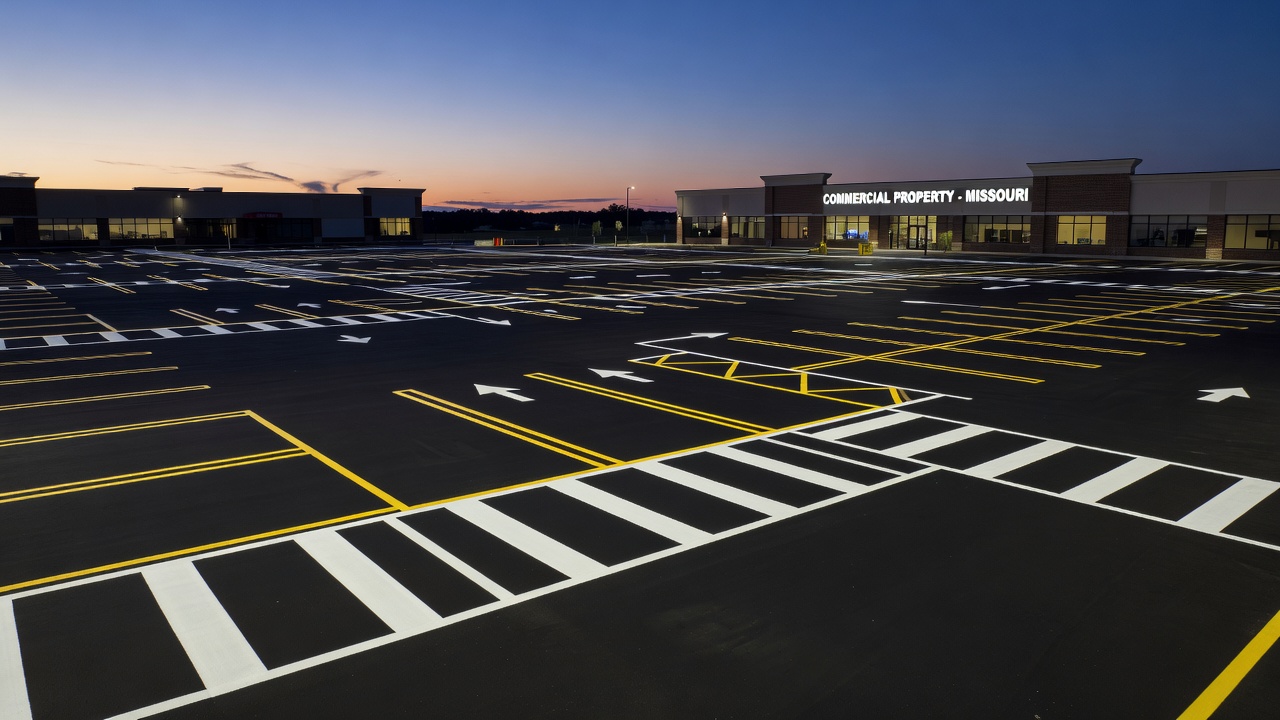
We connect facility managers, property owners, and commercial operators in Springfield and Greene County with experienced parking lot striping contractors. Springfield is the largest and most diverse market in our service area, with a wide mix of retail corridors, medical campuses, warehouses, office parks, and multi-tenant properties.
Whether you manage a strip mall on East Sunshine, a medical office near Glenstone, or a distribution center along the James River corridor, we match you with contractors who understand the specific traffic patterns, compliance requirements, and operational needs of Springfield commercial properties.
Springfield commercial lots face unique challenges. Many properties have been repaved or reconfigured multiple times, leaving old layouts that no longer match current use. High tenant turnover, frequent delivery traffic, and strict ADA enforcement all create ongoing demand for accurate, well-documented striping work.
Springfield has seen consistent commercial growth along East Sunshine, Glenstone, and the James River corridor. This growth brings a mix of older retail centers that need layout corrections and newer medical and distribution facilities that require precise ADA and fire lane compliance from day one. We connect you with contractors who know how to assess real-world conditions on routes like East Sunshine, Campbell, Kansas Expressway, and the James River corridor — and deliver striping that actually fits how each property operates.
Weather plays a significant role in striping longevity in the Springfield area. Freeze-thaw cycles, heavy summer rain, and occasional snow removal equipment all accelerate wear on markings. Properties near the James River corridor often see higher truck traffic and more aggressive turning movements, which puts extra stress on stall lines and directional arrows. We connect you with contractors who select materials and application methods suited to these local conditions.
A lot off East Sunshine behaves differently than a warehouse near the James River. Some properties need tight customer parking, while others require wide truck lanes and clear pedestrian separation. We connect you with contractors who tailor the striping plan to the actual traffic patterns and business operations on each site.
This local approach reduces complaints, improves traffic flow, supports ADA compliance, and helps the property feel more professionally managed.
"We manage multiple commercial properties in Springfield. Having striping contractors who actually understand the local traffic patterns and compliance requirements has made a noticeable difference."
— Regional Property Manager, Springfield
If you need professional striping, ADA updates, or a full lot refresh, we connect you with screened commercial contractors who understand the Springfield market.
Springfield and surrounding areas are subject to Missouri state accessibility requirements and local fire codes. Freeze-thaw cycles and heavy seasonal rain can significantly impact striping durability. We connect you with contractors who stay current on local regulations and material performance in this climate.
Learn more about our ADA Compliance Striping, Fire Lane Striping, and Warehouse Line Striping services.